News and Events
Lusófona visits the EMAVs virtual production studio
December 2025

Universidade Lusófona Faculty Visit EMAVs Pixotope-Powered Virtual Production Studio to Strengthen Industry Collaboration.
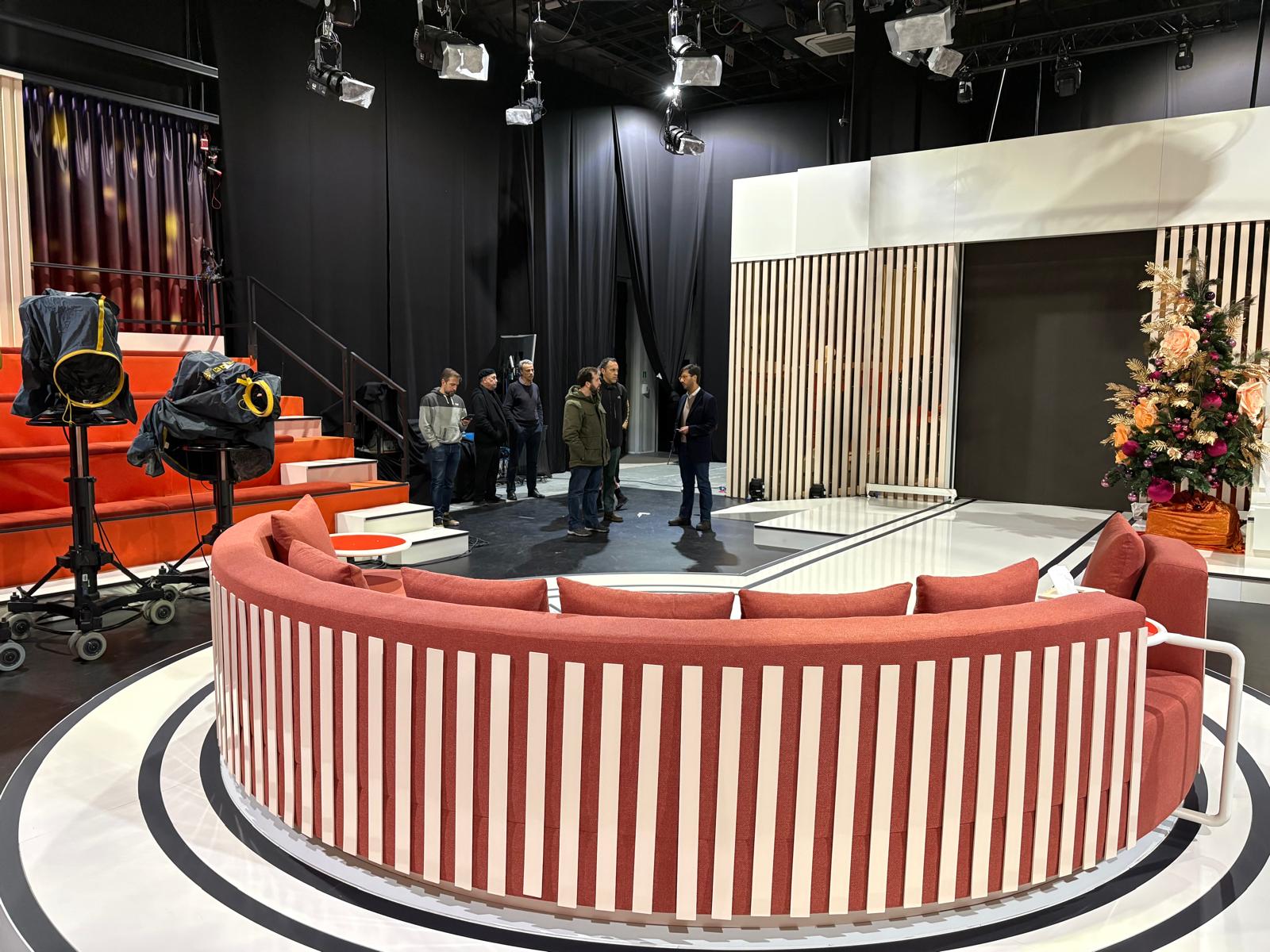
Faculty members from Universidade Lusófona undertook a focused excursion to the Pixotope-equipped virtual production studio operated by EMAV and Plural Entertainment Portugal, with the aim of assessing the current industrial landscape and identifying areas for collaboration.
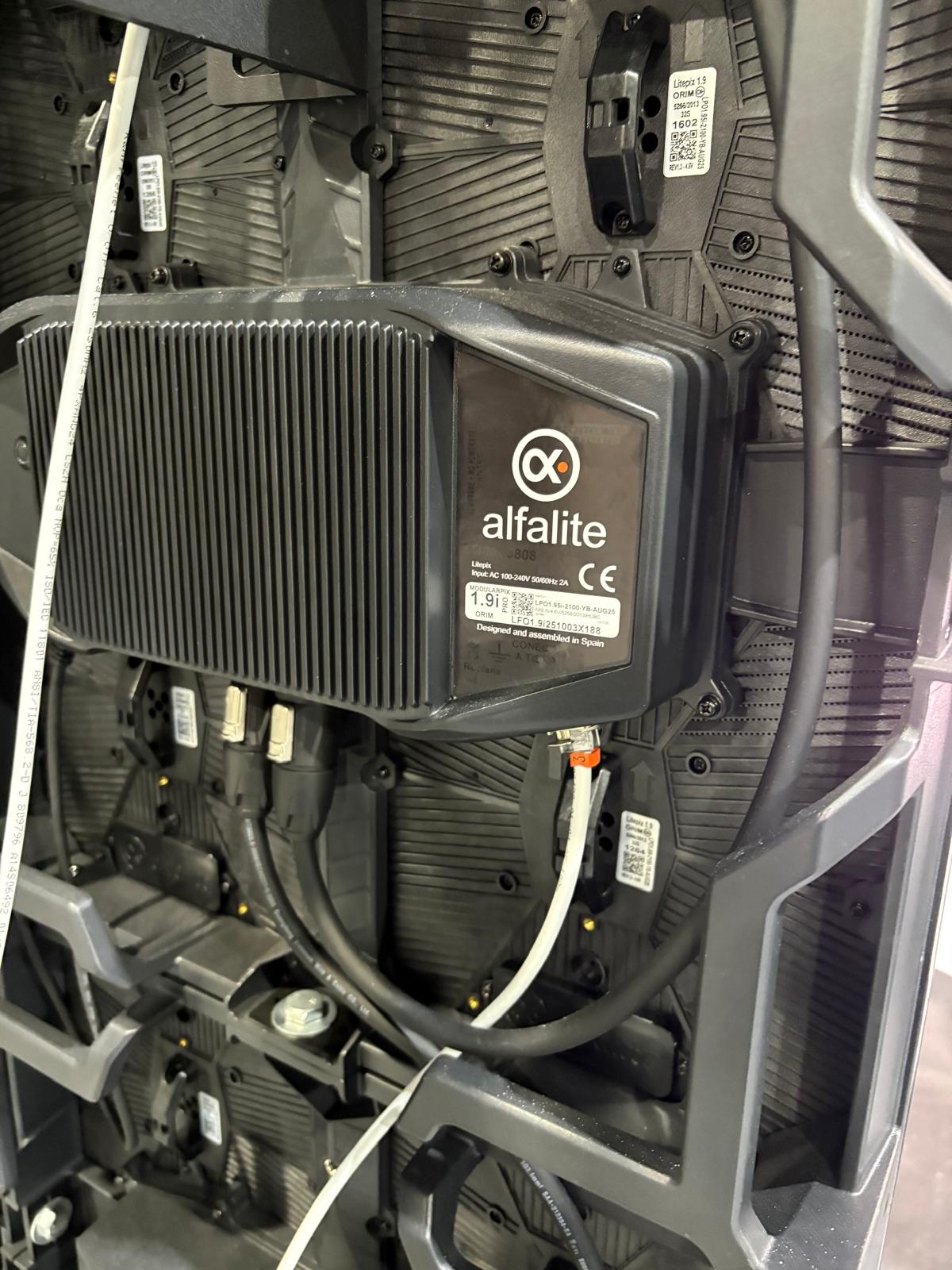
The visit provided an in-depth view of how Portugal’s emerging virtual production sector is structuring its workflows around real-time XR systems, camera-tracking infrastructures, and LED-volume environments. By observing the integration of Pixotope’s real-time rendering engines with Alfalite’s modular LED walls and the TrackMen Pixotope tracking system, the group was able to map how technical decisions shape production methodologies and contemporary labour profiles.
The visit also functioned as a platform to initiate institutional partnerships. Faculty explored possibilities for joint research, technical workshops, and collaborative training modules aligned with industry needs and the rapid evolution of XR-based production technologies. By aligning academic expertise with the studio’s technological roadmap, both sides expressed interest in co-developing frameworks that could support innovation while preparing future professionals for the demands of real-time, engine-driven production environments. The excursion concluded with a shared understanding that sustained dialogue between academia and industry is essential for strengthening Portugal’s virtual production ecosystem and ensuring its long-term competitiveness within the global screen-media sector.
Article written by [Rodolfo Anes Silveira]
Rodolfo Anes Silveira is a Researcher at Universidade Lusófona and an Assistant Professor of Cinematography and Visual Effects at the University of Television and Film Munich (HFF). He holds a PhD in Media Arts and is pursuing a PhD in Web Science and Technology. His research explores virtual production, generative AI, immersive storytelling, and multisensory perception, with a focus on innovative pedagogies in media education.
References
- Universidade Lusófona — https://www.ulusofona.pt/
- Pixotope — https://www.pixotope.com/
- Pixotope XR Platform — https://www.pixotope.com/
- In-Camera VFX (Pixotope) — https://www.pixotope.com/in-camera-vfx
- EMAV — https://emav.pt/
- Plural Entertainment Portugal — https://pluralentertainment.com/
- Alfalite LED Solutions — https://alfalite.com/